

Introduction
For businesses operating through a parent company and branch structure, financial transfers between entities are a common part of daily operations. Whether the parent company provides startup capital, covers operational expenses, or supports business expansion, it is essential to record these transactions accurately.
At Ective Corporate Services Provider, we help entrepreneurs establish and manage international business structures while maintaining proper financial records. Understanding how to record financial transfers from a parent company to a branch ensures transparency, compliance, and accurate reporting.
What Is a Parent Company?
A parent company is a business entity that owns or controls another company, subsidiary, or branch. It provides strategic direction, financial support, and operational oversight while allowing branches to conduct business activities in different locations.
Branches are not separate legal entities in most jurisdictions, meaning their financial transactions are often linked directly to the parent company.
Why Financial Transfer Recording Is Important
Properly recording transfers between a parent company and branch helps:
- Maintain accurate financial statements
- Ensure regulatory compliance
- Improve audit readiness
- Track business funding and expenses
- Enhance financial transparency
- Support tax reporting requirements
Without proper documentation, businesses may face accounting discrepancies and compliance challenges.

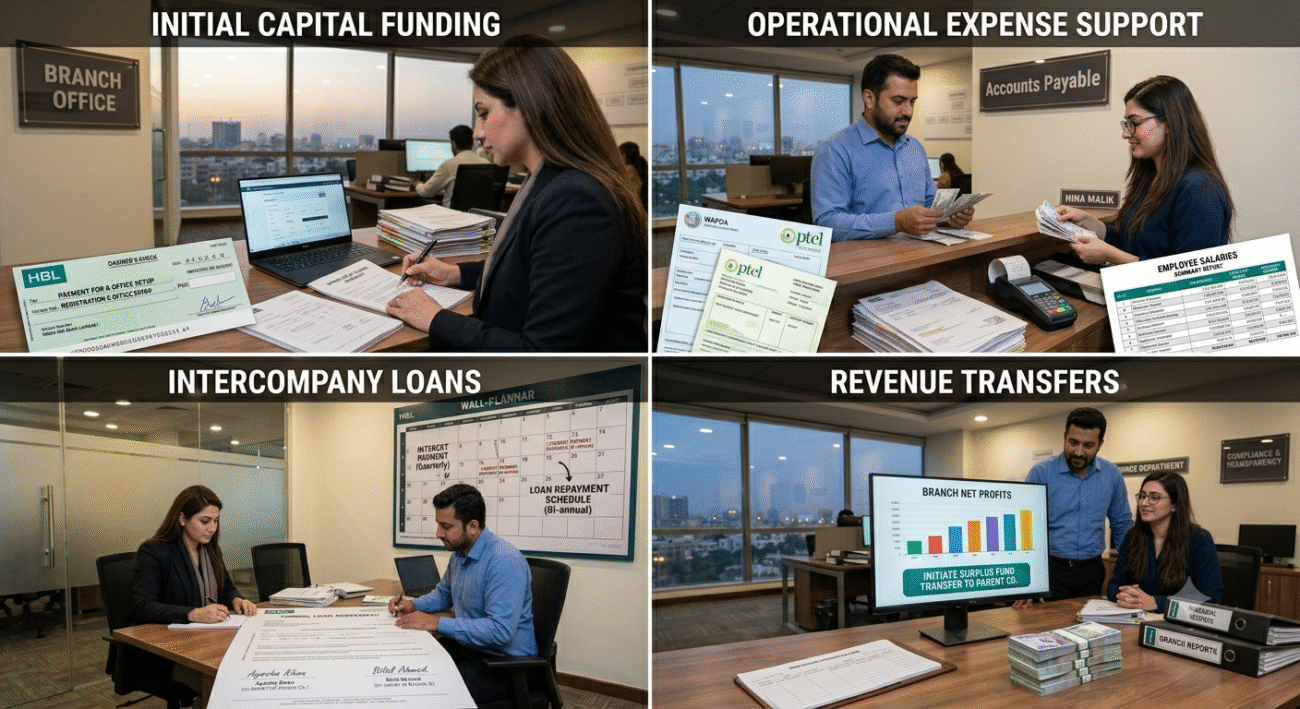
Common Types of Parent Company Transfers
1. Initial Capital Funding
A parent company may provide startup capital to establish a branch office.
Example:
The parent company transfers funds to cover registration fees, office setup costs, and operational expenses.
2. Operational Expense Support
Branches often receive funds from the parent company to cover:
- Employee salaries
- Office rent
- Utility expenses
- Marketing costs
- Administrative expenses
3. Intercompany Loans
Sometimes transfers are recorded as loans rather than capital contributions.
These loans may include:
- Repayment schedules
- Interest terms
- Formal agreements
4. Revenue Transfers
Branches may transfer profits or surplus funds back to the parent company as part of internal financial management.
How to Record Financial Transfers from Parent Company to Branch
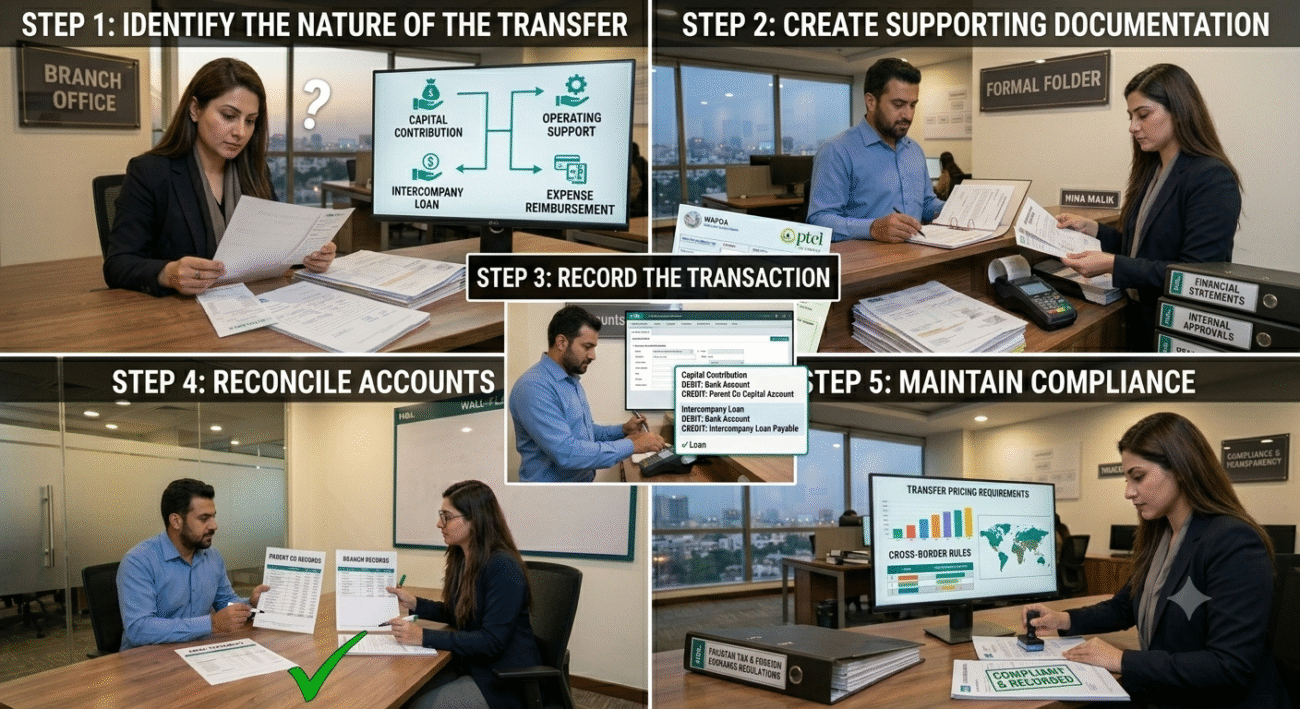
Step 1: Identify the Nature of the Transfer
Determine whether the transfer is:
- Capital contribution
- Operating support
- Intercompany loan
- Expense reimbursement
Proper classification is essential for accurate accounting.
Step 2: Create Supporting Documentation
Maintain records such as:
- Bank transfer receipts
- Internal approval documents
- Loan agreements
- Financial statements
- Transfer instructions
These documents provide evidence for audits and compliance reviews.
Step 3: Record the Transaction
The branch should record the incoming funds according to the transfer type.
For Capital Contribution:
- Debit: Bank Account
- Credit: Parent Company Capital Account
For Intercompany Loan:
- Debit: Bank Account
- Credit: Intercompany Loan Payable
Step 4: Reconcile Accounts
Regularly reconcile:
- Parent company records
- Branch accounting records
- Bank statements
This helps ensure both entities report the transaction consistently.
Step 5: Maintain Compliance
Different countries have specific rules regarding:
- Cross-border transfers
- Foreign exchange regulations
- Tax reporting
- Transfer pricing requirements
Businesses should comply with local financial regulations when recording intercompany transactions.
Best Practices for Managing Parent Company Transfers
To ensure smooth financial management:
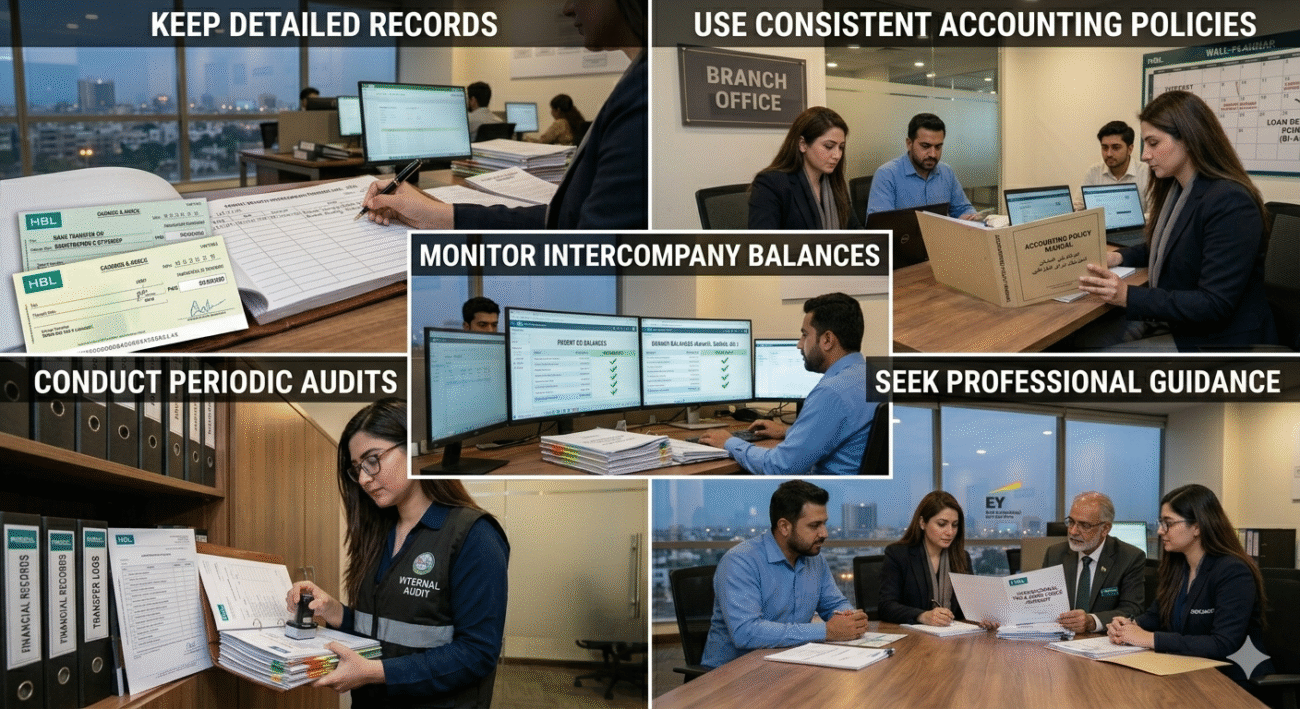
Keep Detailed Records
Document every transfer with supporting evidence.
Use Consistent Accounting Policies
Apply the same accounting methods across all branches.
Monitor Intercompany Balances
Review outstanding balances regularly to avoid discrepancies.
Conduct Periodic Audits
Internal audits help identify and resolve accounting issues before they become major problems.
Seek Professional Guidance
Professional accounting and company formation experts can help businesses maintain compliance across multiple jurisdictions.
Challenges Businesses May Face
Some common challenges include:
- Currency exchange fluctuations
- Cross-border compliance requirements
- Inconsistent record keeping
- Transfer pricing regulations
- Tax reporting complexities
A structured accounting process can help businesses overcome these challenges effectively.
Get Started with Eective
International business expansion requires careful planning and professional guidance. Whether you are launching a startup, expanding an existing business, or exploring global opportunities, Eective can help simplify the process.
Ready to expand your business globally?
👉 Get a Free Consultation: https://forms.gle/KK6CQxrNheia6VDZ9
Submit your details through our inquiry form, and our specialists will help you identify the most suitable solutions for your business growth objectives.
Conclusion
Recording financial transfers from a parent company to a branch is a critical part of corporate financial management. Proper classification, documentation, reconciliation, and compliance help businesses maintain accurate records and support long-term growth.
Whether the transfer involves capital funding, operational support, or intercompany loans, businesses should establish clear accounting procedures to ensure transparency and regulatory compliance. Working with experienced corporate service providers such as Ective Corporate Services Provider can simplify company management and support efficient international business operations.